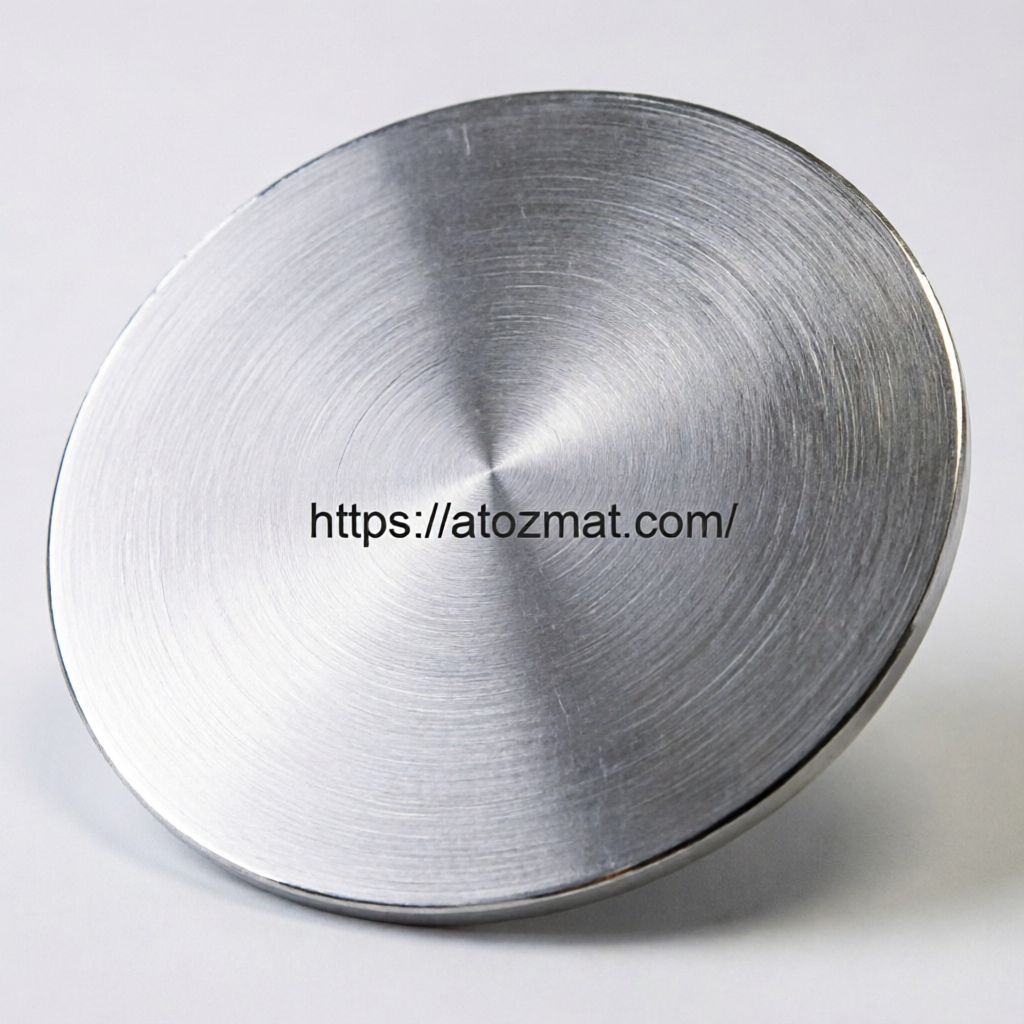
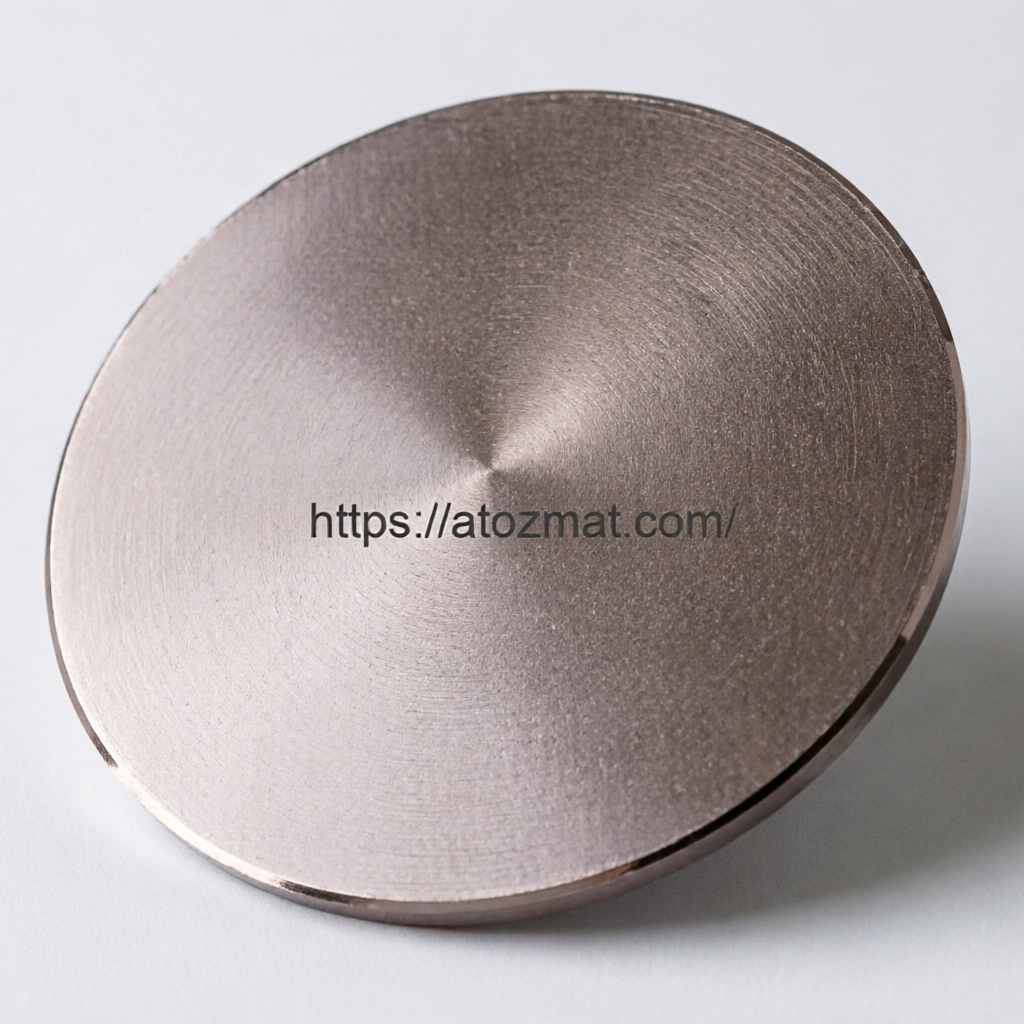
Aluminum boron sputtering targets represent a specialized class of compound materials used in physical vapor deposition processes where precise control over film composition and properties is essential. These targets combine aluminum and boron in a stoichiometric AlB2 phase, offering a unique set of characteristics that make them valuable in semiconductor research, advanced coatings development, and functional thin film applications.
AlB2 sputtering targets are solid source materials designed for use in magnetron sputtering and other PVD systems. The aluminum boride compound forms a hexagonal crystal structure where boron atoms create layered planes between aluminum atoms. This arrangement gives the material distinct thermal, electrical, and mechanical properties compared to pure aluminum or boron targets.
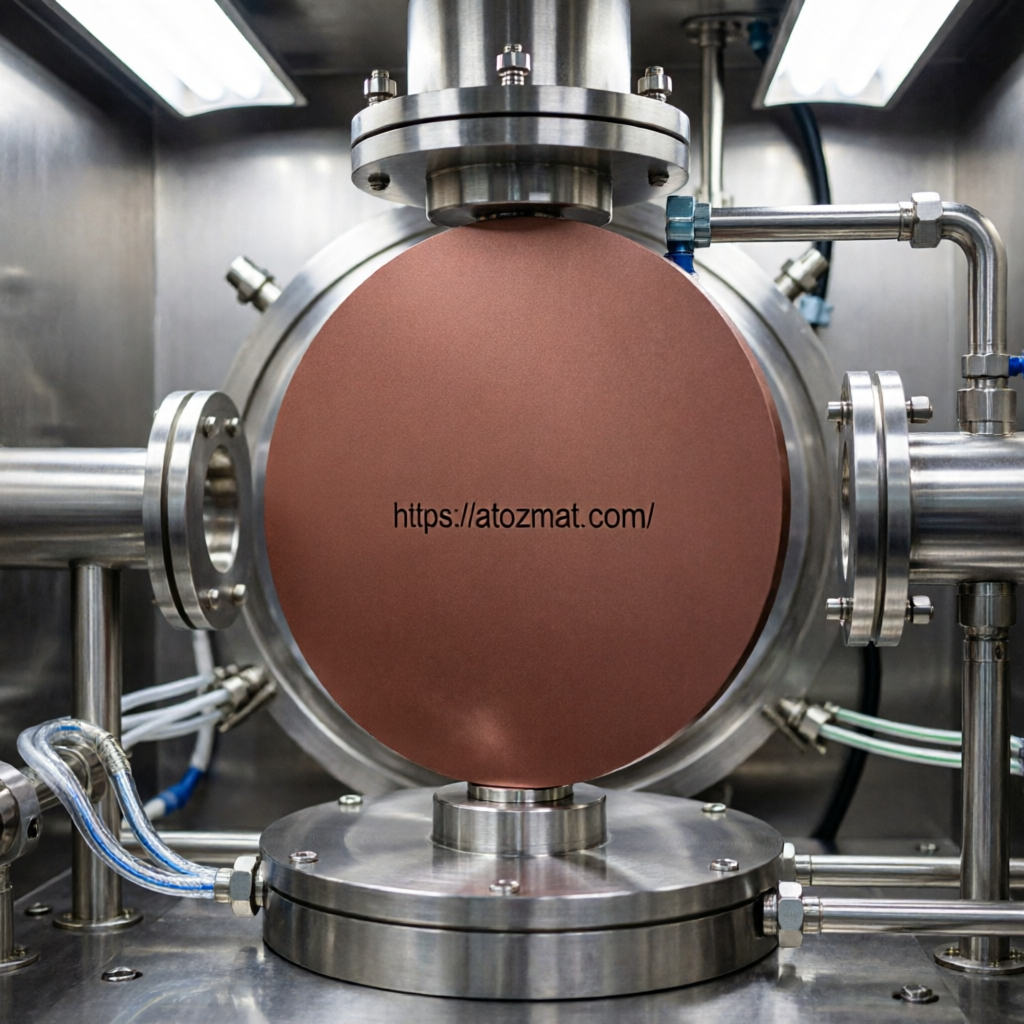
In practical deposition work, the target serves as the material source that is bombarded with energetic ions, causing atoms to be ejected and deposited onto a substrate. The resulting thin films inherit compositional and structural characteristics from the target material, making target quality and consistency critical factors in process control.
Key Material Properties and Deposition Considerations
Aluminum boride targets offer several technical advantages in thin film applications. The compound exhibits good thermal stability, which helps maintain consistent sputtering behavior during extended deposition runs. The material’s electrical conductivity allows it to be used in DC sputtering configurations, often preferred for their higher deposition rates and simpler power supply requirements compared to RF systems.
The boron content introduces hardness and wear resistance to the target material itself, though this can also present machining and fabrication challenges during target manufacturing. Engineers working with AlB2 targets should consider the material’s brittleness when specifying bonding methods and handling procedures.
Film composition control represents another important consideration. The aluminum-to-boron ratio in deposited films can vary based on sputtering conditions, chamber pressure, substrate temperature, and power density. Process engineers typically need to optimize these parameters to achieve the desired film stoichiometry for their specific application.
Industrial and Research Applications
Aluminum boron thin films find use in several technical areas where their combination of properties provides functional advantages:
Semiconductor and microelectronics research: AlB2 films are explored as potential diffusion barrier materials and contact layers in advanced device structures. The material’s thermal stability and electrical properties make it relevant for applications requiring robust interfaces between different material layers.
Protective and functional coatings: The hardness and chemical resistance of aluminum boride films make them candidates for wear-resistant coatings and protective layers in harsh environments. Research continues into optimizing film density and adhesion for industrial coating applications.
Optical and electronic materials development: Thin film researchers investigate aluminum boron compounds for their optical absorption characteristics and electronic transport properties. These studies often focus on composition tuning and interface engineering to achieve specific functional behaviors.
Laboratory-scale materials science: University and corporate research labs use AlB2 targets to study compound thin film growth mechanisms, phase formation, and property relationships in aluminum-boron systems.
Selection and Sourcing Considerations
When specifying aluminum boron sputtering targets, engineers and technical buyers typically evaluate several factors:
Purity and composition: Target purity affects film contamination levels and process repeatability. Common purity grades for compound targets range from 99.5% to 99.9%, though specific requirements depend on the application’s sensitivity to impurities.
Target dimensions: Standard circular target sizes include 1 inch, 2 inch, 3 inch, and 4 inch diameters, with thicknesses commonly ranging from 1/8 inch to 1/4 inch. Custom dimensions may be available for specialized deposition systems, though they typically involve longer lead times and higher costs.
Bonding and backing: Compound targets often require bonding to copper or molybdenum backing plates for effective thermal management during sputtering. The bonding method and backing material choice can affect target performance and lifetime.
Density and microstructure: Target density influences sputtering yield and film uniformity. Hot-pressed or sintered targets may exhibit different grain structures and densities, affecting deposition behavior.
Supply consistency: For production environments or long-term research programs, target-to-target consistency becomes important. Buyers should discuss manufacturing processes and quality control procedures with suppliers to ensure reproducible material properties.
Common Technical Challenges
Working with aluminum boron targets presents several practical considerations that process engineers should anticipate:
Target cracking: The brittleness of aluminum boride compounds makes targets susceptible to thermal stress cracking during high-power sputtering. Gradual power ramping and appropriate cooling can help mitigate this risk.
Composition drift: Preferential sputtering of aluminum or boron can occur under certain conditions, leading to changes in film composition over time or across the substrate. Regular process monitoring and target conditioning may be necessary.
Oxidation sensitivity: Both aluminum and boron readily form oxides when exposed to air or residual oxygen in the deposition chamber. Proper target storage, chamber base pressure control, and pre-sputtering procedures help minimize oxygen incorporation in films.
Film stress: Aluminum boride films can exhibit significant intrinsic stress depending on deposition conditions. This may affect film adhesion and substrate warping in some applications, requiring optimization of substrate temperature and deposition rate.
Current Research Directions
Ongoing thin film research continues to explore aluminum boron compounds for emerging applications. Areas of active investigation include composition tuning to optimize specific properties, interface engineering for improved adhesion and electrical contact behavior, and process development for scaling from laboratory to production environments.
Materials scientists are also examining aluminum boride films as components in multilayer structures and as potential candidates for applications requiring combinations of hardness, thermal stability, and electrical conductivity. These studies typically focus on understanding structure-property relationships and identifying processing windows that yield films with desired characteristics.
Practical Recommendations
For engineers and buyers considering aluminum boron sputtering targets, several practical steps can help ensure successful implementation:
Start with small-scale trials using standard target sizes to establish baseline deposition parameters before committing to larger or custom targets. Document sputtering conditions, film properties, and any issues encountered to build institutional knowledge.
Work with suppliers who can provide material characterization data and discuss manufacturing processes. Understanding how targets are fabricated helps predict potential performance variations.
Plan for target conditioning and break-in procedures, especially when starting with a fresh target. Initial sputtering behavior may differ from steady-state performance.
Consider the total cost of ownership beyond just target price. Factors like target lifetime, film quality consistency, and supplier reliability all affect the economics of using specialized compound targets.
Conclusion
Aluminum boron sputtering targets serve specialized roles in thin film deposition where their unique combination of properties provides technical advantages. Success with these materials requires attention to target quality, process optimization, and practical handling considerations. As research into compound thin films continues, aluminum boride systems remain relevant for applications demanding thermal stability, hardness, and controlled electrical properties.
For engineers and researchers working with advanced thin film materials, understanding the capabilities and limitations of AlB2 targets helps inform material selection decisions and process development strategies.
Product Information
Aluminum boron sputtering targets are available from industrial materials suppliers. For detailed specifications, sizing options, and technical support: