Lead Arsenide Sputtering Targets: Stoichiometry Control, Film Growth, and Device-Relevant Performance

Lead Arsenide Sputtering Targets: Stoichiometry Control, Film Growth, and Device-Relevant Performance

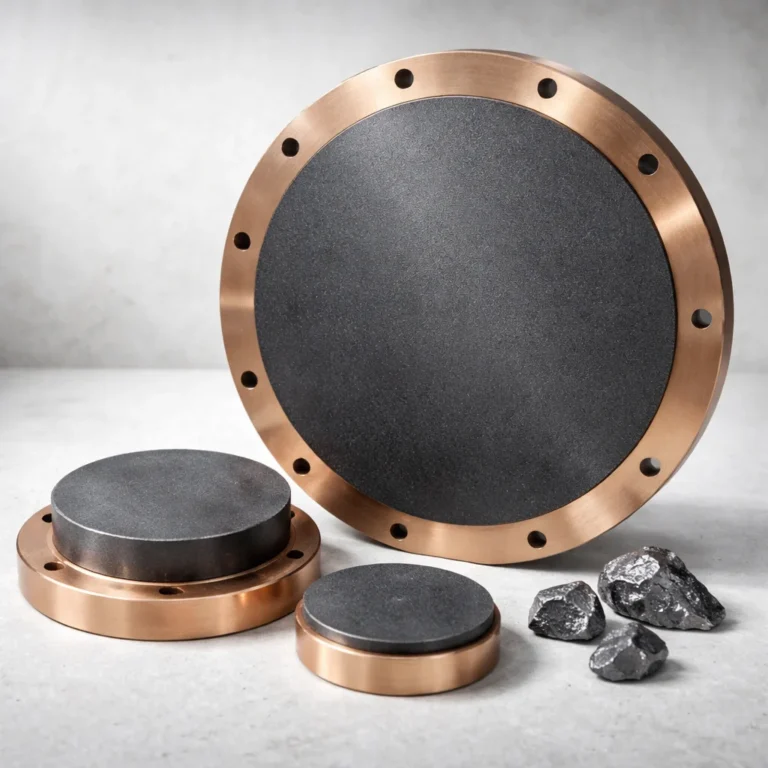
Abstract Lead arsenide (PbAs) represents an emerging class of semiconductor materials with promising optoelectronic properties for infrared detection and other device applications. This article comprehensively reviews the fabrication of lead arsenide sputtering targets, focusing on stoichiometry control methodologies, thin film growth techniques, and device-relevant performance characteristics. The synthesis of PbAs compounds presents unique challenges due to the reactivity of both … Read more
Engineering Performance of Nb1Zr Alloy Capillaries: High-Temperature Stability, Fabrication, and Vacuum-System Applications

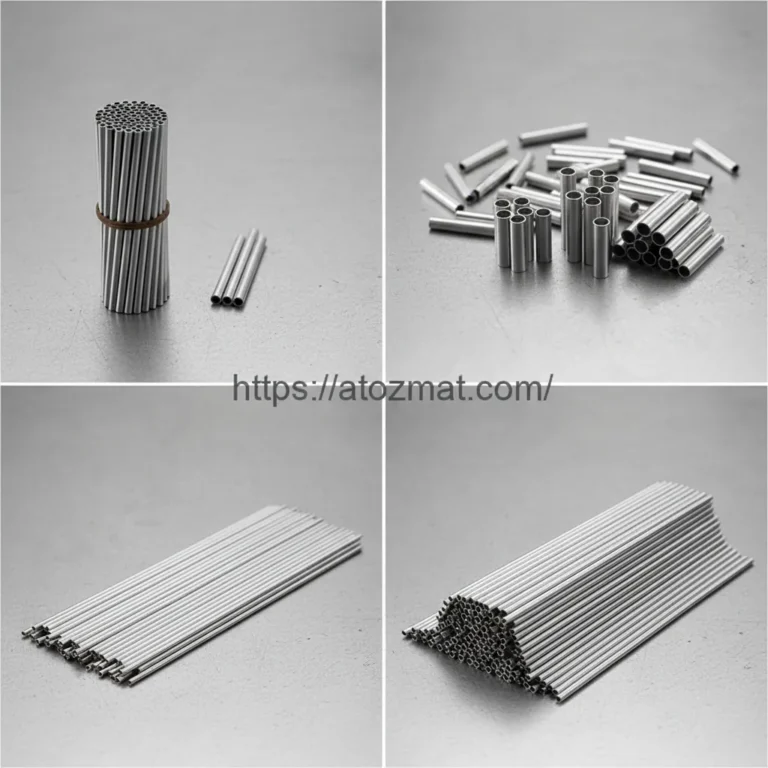
Niobium-1% zirconium (Nb-1Zr) is a well-established refractory alloy used where conventional stainless steels, nickel alloys, and many ceramics become limiting because of temperature capability, creep resistance, or contamination concerns. In capillary form, the alloy is especially relevant for applications requiring narrow internal passages, dimensional precision, low vapor pressure, and stable performance in vacuum or controlled atmospheres. Typical use cases include … Read more

Optimizing Film Quality with Aluminum-Doped Zinc Oxide Sputtering Targets

Optimizing Film Quality with Aluminum-Doped Zinc Oxide Sputtering Targets

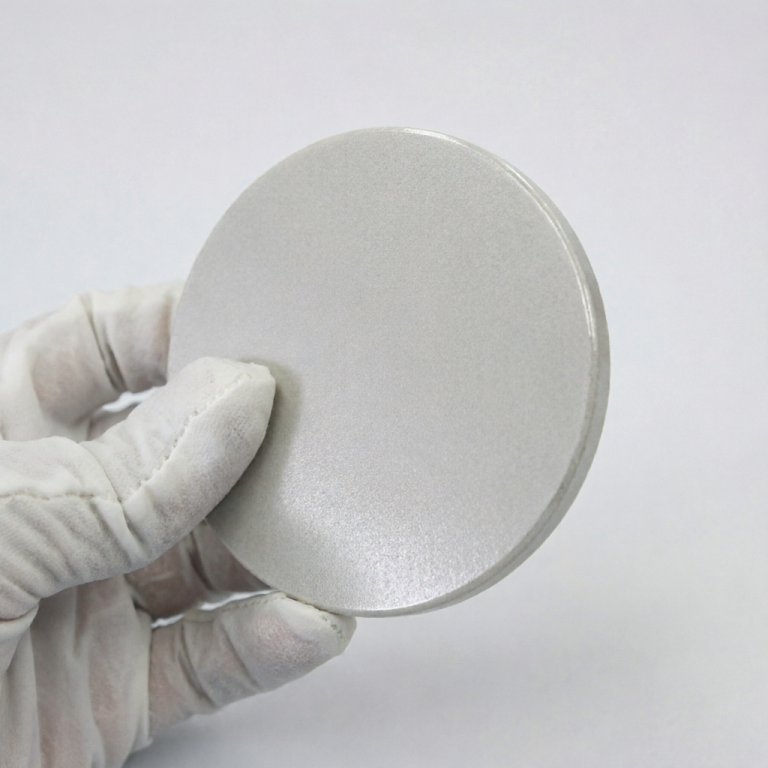
Aluminum-doped zinc oxide (AZO) sputtering targets have become essential tools in thin film deposition for transparent conductive oxide (TCO) applications. Engineers working on optoelectronic devices, solar cells, flat panel displays, and touch screen technologies rely on AZO targets to deposit films that combine optical transparency with electrical conductivity—a combination critical for modern electronic and photovoltaic systems. The performance of AZO … Read more

How to Optimize As2S3 Film Deposition for Infrared Optics and Photonic Applications

Arsenic sulfide (As₂S₃) sputtering targets enable the deposition of high-quality chalcogenide thin films for infrared optics, photonic devices, and phase-change memory research. Engineers working with As₂S₃ films face specific challenges related to stoichiometry control, substrate temperature management, and film uniformity—factors that directly impact optical transmission, refractive index stability, and device performance. This guide covers practical deposition parameters, material properties, and … Read more

Optimizing BiCoO3 Film Quality in Magnetoelectric Research: Deposition Parameters and Substrate Effects

Optimizing BiCoO3 Film Quality in Magnetoelectric Research: Deposition Parameters and Substrate Effects

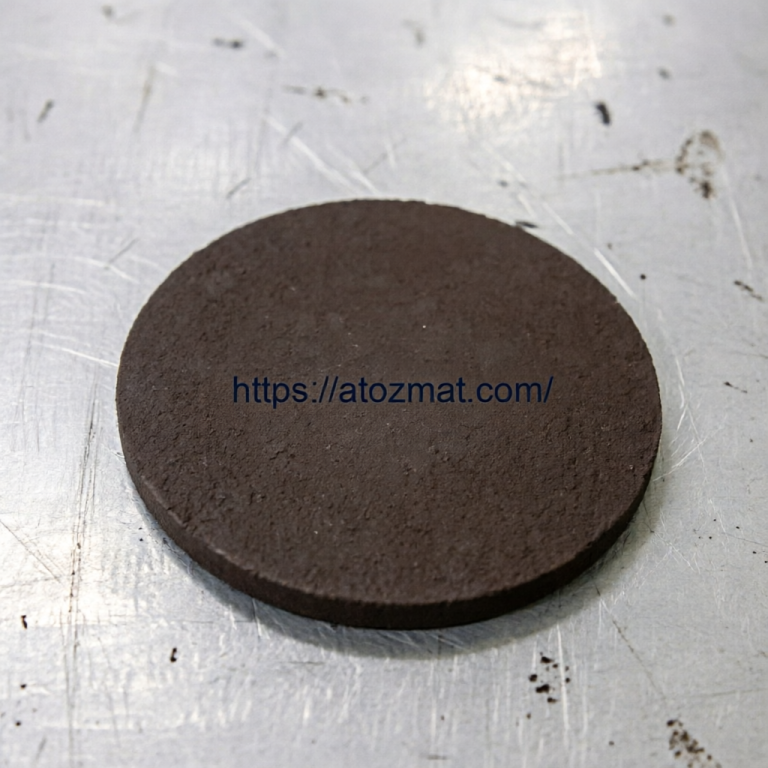
Bismuth cobalt oxide (BiCoO3) has attracted significant attention in materials research due to its potential multiferroic properties and magnetoelectric coupling behavior. For researchers working with thin film deposition systems, understanding how process parameters affect film quality, crystallinity, and functional properties is essential for achieving reproducible results in laboratory and pilot-scale environments. Close-up view of Bismuth Cobalt Oxide Sputtering Targets (BiCoO3 … Read more

WRe 5/20 Tungsten Rhenium Thermocouple Wire: High-Temperature Measurement in Extreme Environments

WRe 5/20 Tungsten Rhenium Thermocouple Wire: High-Temperature Measurement in Extreme Environments

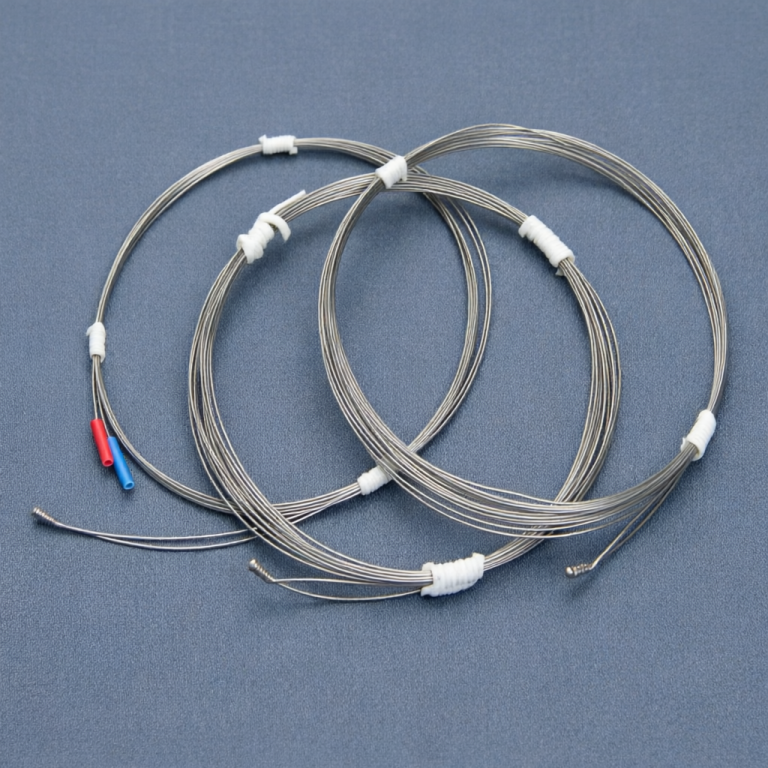
Accurate temperature measurement above 2000°C presents significant challenges in industrial and research environments. Standard thermocouple materials lose calibration stability, oxidize rapidly, or simply melt at the extreme temperatures encountered in aerospace testing, advanced materials processing, vacuum furnaces, and high-temperature research. Tungsten rhenium thermocouples, particularly the WRe 5/20 configuration, have become the standard solution for reliable temperature sensing in these demanding … Read more

How Aluminum Boron Sputtering Targets Enable Advanced Thin Film Deposition

How Aluminum Boron Sputtering Targets Enable Advanced Thin Film Deposition

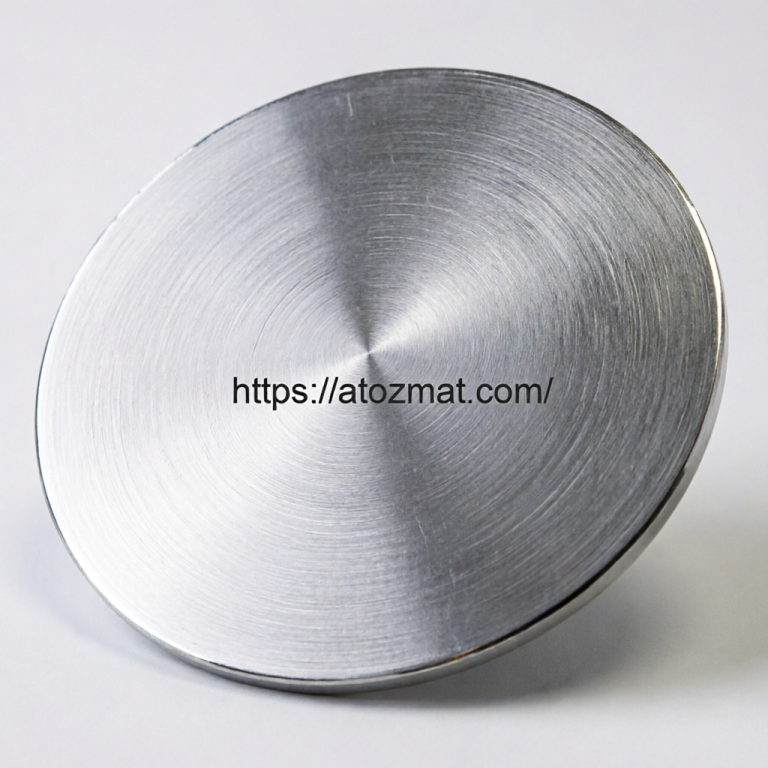
Aluminum boron sputtering targets represent a specialized class of compound materials used in physical vapor deposition processes where precise control over film composition and properties is essential. These targets combine aluminum and boron in a stoichiometric AlB2 phase, offering a unique set of characteristics that make them valuable in semiconductor research, advanced coatings development, and functional thin film applications. Close-up … Read more

How to Select Tungsten-Rhenium Thermocouple Wire for Extreme Temperature Environments

How to Select Tungsten-Rhenium Thermocouple Wire for Extreme Temperature Environments

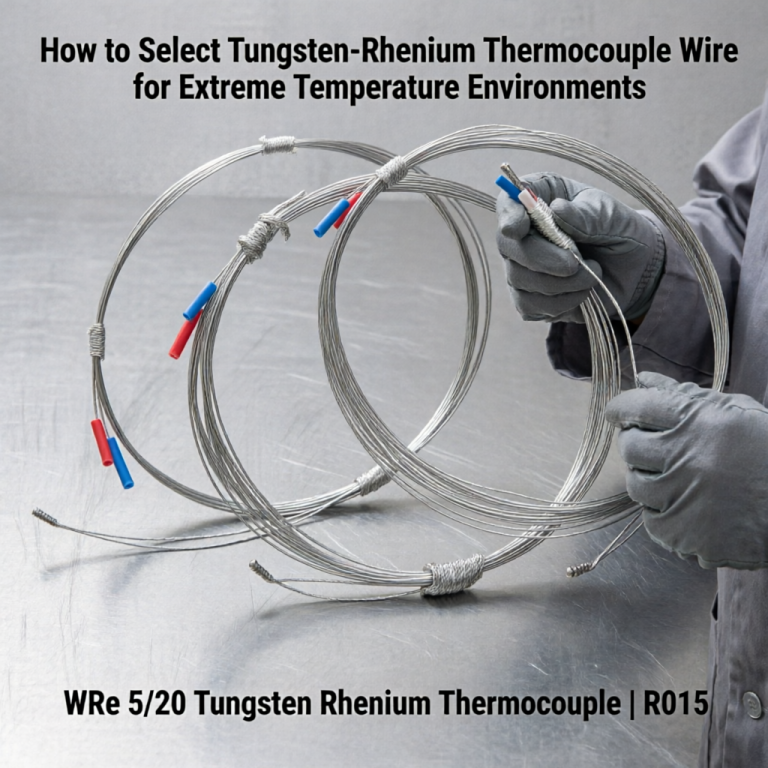
Tungsten-rhenium thermocouple wire represents one of the few practical solutions for temperature measurement in extreme environments above 2000°C. The WRe 5/20 configuration—combining a 5% rhenium leg with a 20% rhenium leg—offers a balance of high-temperature capability, reasonable EMF output, and oxidation resistance that makes it valuable in aerospace testing, materials research, and advanced manufacturing processes. For engineers and technical buyers … Read more

How Tungsten Rhenium Thermocouple Wire Enables Ultra-High Temperature Measurement

How Tungsten Rhenium Thermocouple Wire Enables Ultra-High Temperature Measurement

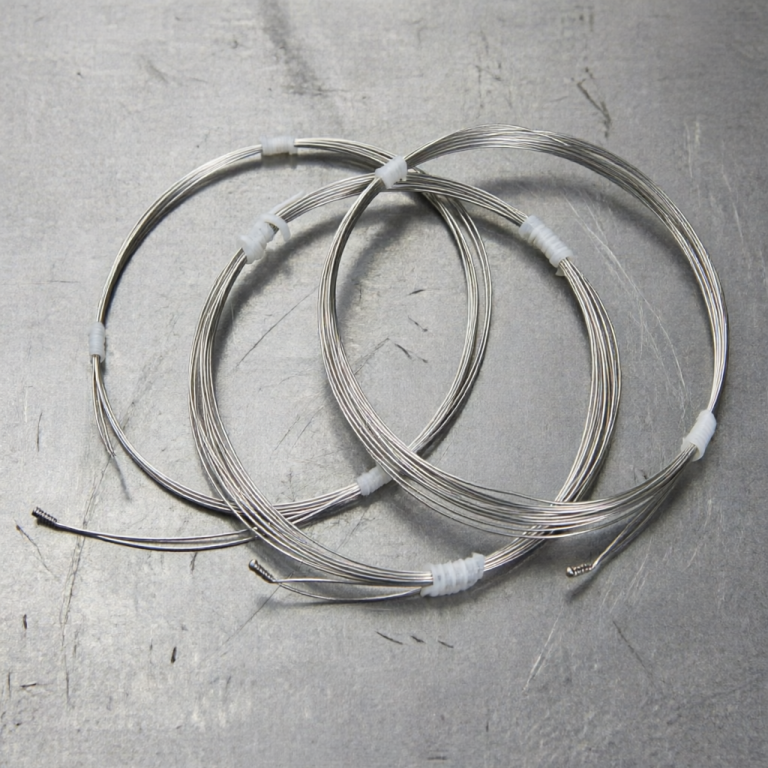
Measuring temperatures above 1500°C presents significant challenges in industrial and research environments. Standard thermocouple materials often fail at extreme temperatures, creating measurement gaps in applications like aerospace testing, advanced materials processing, and high-temperature furnace operations. Tungsten rhenium thermocouple wire addresses this challenge by extending reliable temperature measurement into ranges where conventional sensors cannot operate. Close-up view of WRe 5/20 Tungsten … Read more

Recent Advances in Copper Selenide Thin Films: From Photovoltaics to Thermoelectrics

Copper Selenide Sputtering Targets (CuSe2 Sputtering Targets) | CuSe2-ST

Abstract Copper selenide thin films have emerged as a versatile class of materials with significant potential in energy conversion technologies, particularly in photovoltaics and thermoelectrics. This article provides a comprehensive review of recent advances in copper selenide thin films, covering their structural properties, fabrication methods, and applications in both photovoltaic and thermoelectric devices. The review highlights the remarkable progress in … Read more

Item added to cart.
0 items - $0.00