HfPrO Sputtering Target: Ferroelectric Hafnia Thin Films for Next-Generation Non-Volatile Memory
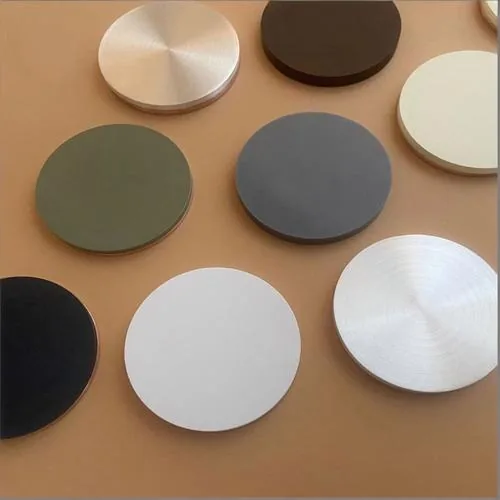
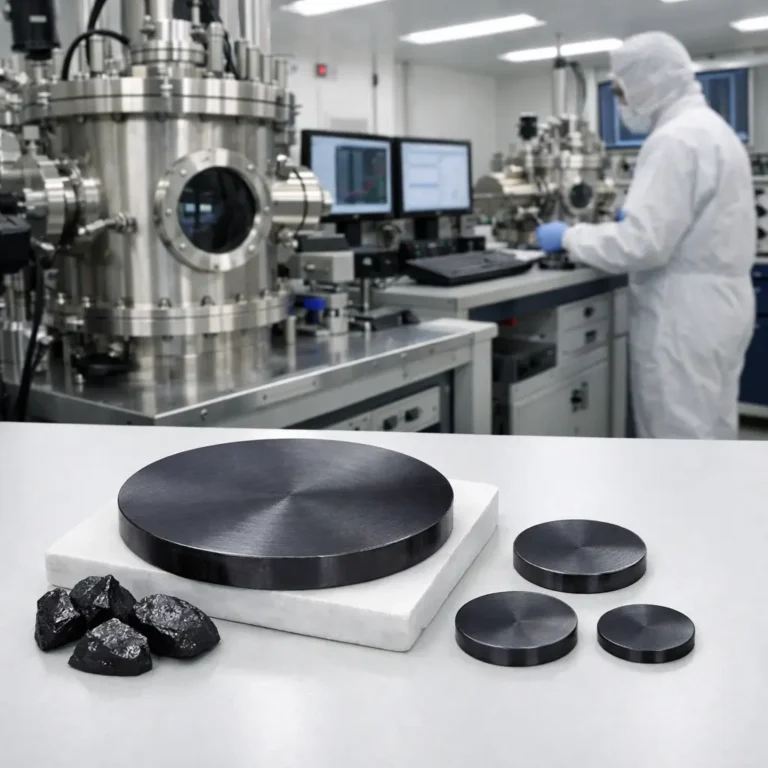
High-purity sputtering target material, used for film deposition.

The discovery of ferroelectricity in doped hafnium oxide (HfO₂) has revolutionized the field of non-volatile memory technology, offering a CMOS-compatible solution that overcomes the scaling limitations of traditional perovskite-based ferroelectrics. This article explores the development and application of HfPrO (hafnium-praseodymium oxide) sputtering targets for the deposition of ferroelectric thin films. We examine: The unique properties of praseodymium-doped hafnia films, their … Read more
HfO₂ Sputtering Target: High-k Gate Dielectric for Advanced CMOS and FeFET Memory Devices

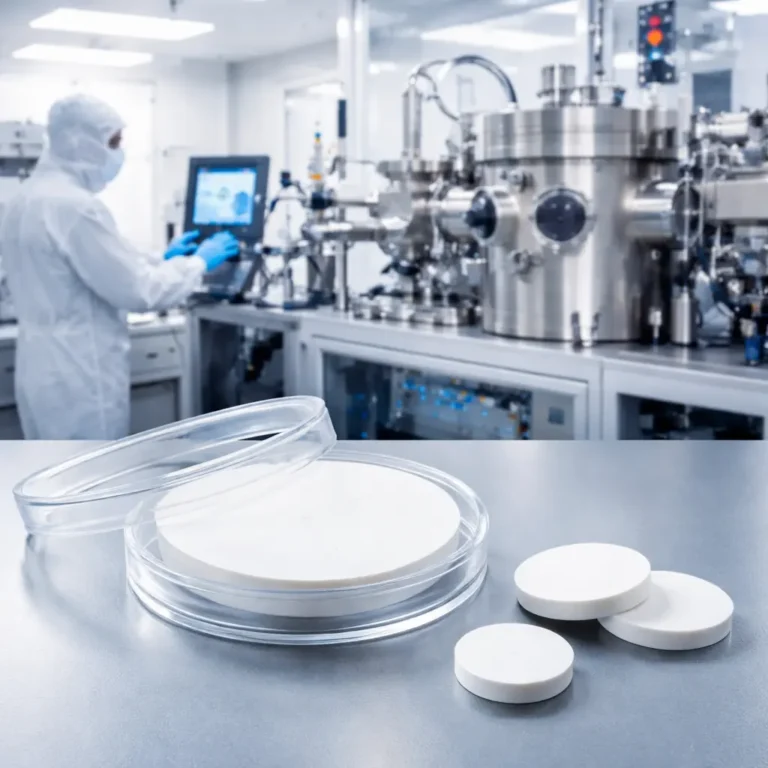
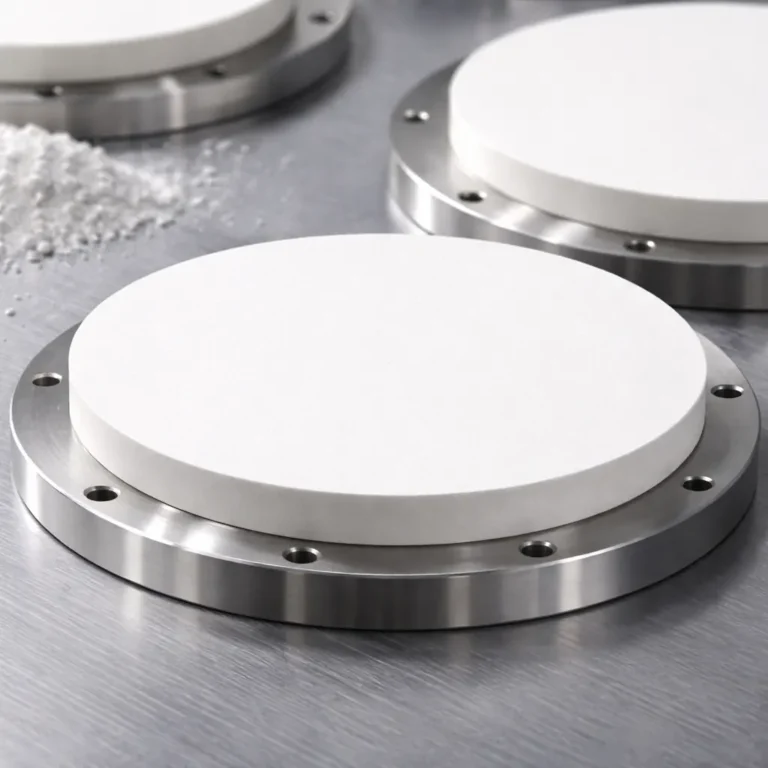
Hafnium Oxide Sputtering Targets (HfO2 Sputtering Targets) | HfO2-ST sputtering target surface and material detail

Hafnium dioxide (HfO₂) has emerged as a critical material in modern semiconductor technology, serving as a high-k gate dielectric that enables continued scaling of complementary metal-oxide-semiconductor (CMOS) devices and facilitates the development of next-generation ferroelectric field-effect transistor (FeFET) memory devices. This article comprehensively reviews the properties, fabrication, and applications of HfO₂ sputtering targets, highlighting their role in depositing high-quality thin … Read more

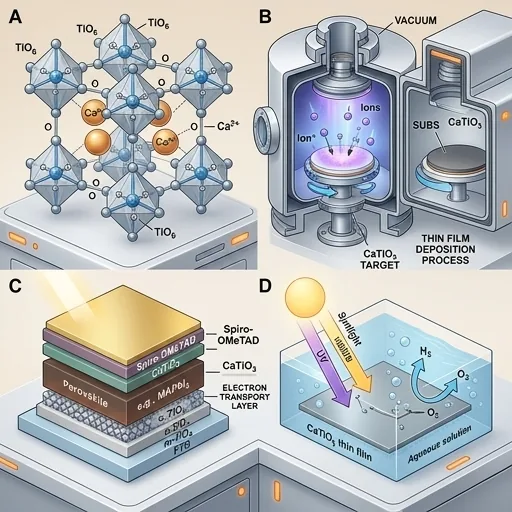
CaTiO₃ Sputtering Target: Perovskite Thin Film Growth for Solar Cells and Photocatalysis

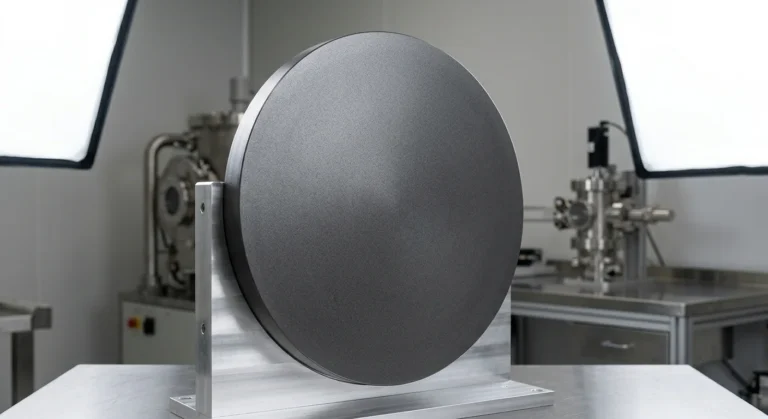
CaTiO3 Sputtering Target

Abstract: Calcium titanate (CaTiO₃), a classic perovskite oxide material, has emerged as a promising candidate for advanced energy applications, particularly in solar cells and photocatalysis. The development of high-quality CaTiO₃ sputtering targets enables precise thin film deposition through physical vapor deposition techniques, offering controlled stoichiometry, excellent crystallinity, and tunable optoelectronic properties. This article comprehensively reviews the synthesis of CaTiO₃ sputtering … Read more

Optimizing CuSe₂ Thin Film Deposition: Process Parameters and Performance Factors

Copper Selenide Sputtering Targets (CuSe2 Sputtering Targets) | CuSe2-ST research laboratory application scene

Abstract Copper selenide (CuSe₂) thin films represent a promising class of semiconductor materials with applications spanning photovoltaic devices, electro-optical systems, and thermoelectric converters. This article provides a comprehensive review of the optimization strategies for CuSe₂ thin film deposition, focusing on critical process parameters and their influence on film performance. We examine various deposition techniques including chemical bath deposition, thermal evaporation, … Read more

BaTiO₃ Sputtering Target: High-Dielectric Thin-Film Deposition for MLCC and FeRAM Applications

Barium Titanate Sputtering Targets (BaTiO3 Sputtering Targets) | BaTiO3-ST

AtoZmat — Advanced Materials from A to Z Abstract Barium titanate (BaTiO₃) sputtering targets are a critical enabler for high-performance dielectric and ferroelectric thin films used in multilayer ceramic capacitors (MLCCs) and ferroelectric random-access memory (FeRAM). This review covers target manufacturing, sputtering protocols, film characterization, and the link between process parameters and ultimate device performance. As electronics continue to shrink … Read more

How to Optimize CrSi₂ Sputtering for Low-Resistivity Semiconductor Contacts

How to Optimize CrSi₂ Sputtering for Low-Resistivity Semiconductor Contacts

Abstract Chromium disilicide (CrSi₂) has emerged as a promising contact material for semiconductor devices due to its favorable electrical properties, thermal stability, and compatibility with silicon processing. Achieving low-resistivity contacts through sputtering deposition requires careful optimization of multiple process parameters. This article provides a comprehensive guide to optimizing CrSi₂ sputtering processes, covering target preparation, deposition parameters, post-deposition treatments, and characterization … Read more

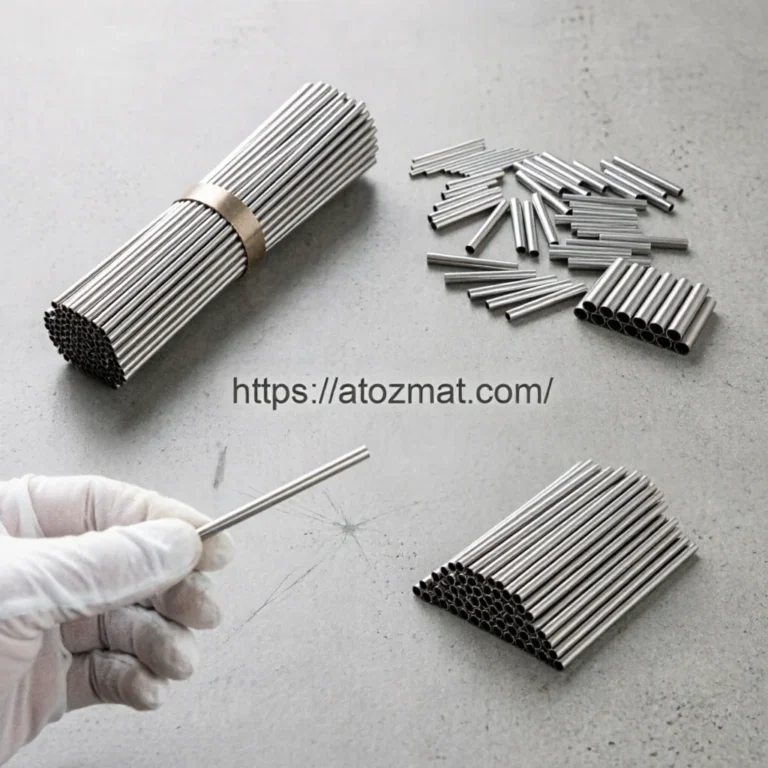
Tantalum-10% Tungsten Tube Engineering: Microstructure, Purity Control, and Extreme-Environment Applications

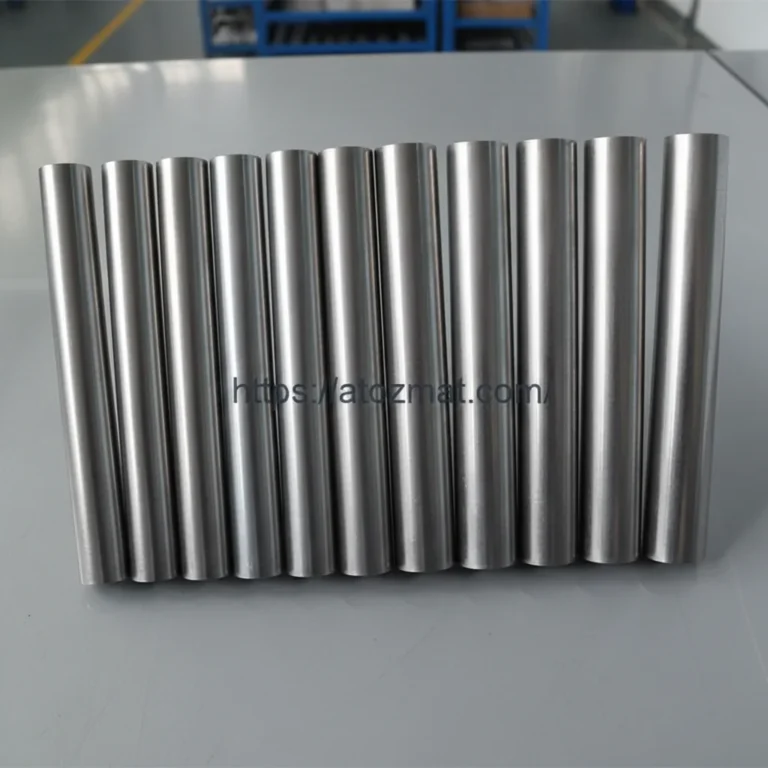
Tantalum-10% Tungsten Tube Engineering: Microstructure, Purity Control, and Extreme-Environment Applications

Abstract Tantalum-10% tungsten (Ta-10W) alloys represent a critical class of refractory materials that combine the exceptional corrosion resistance of tantalum with the enhanced mechanical properties imparted by tungsten additions. This article comprehensively examines the engineering aspects of Ta-10W tube manufacturing, focusing on microstructure evolution, purity control methodologies, and applications in extreme environments. The alloy’s unique combination of high-temperature strength, corrosion … Read more

Boron Carbide Sputtering Targets in PVD: Deposition Behavior, Stoichiometry Control, and Application Trade-Offs

Abstract Boron carbide (B₄C) sputtering targets represent a critical component in physical vapor deposition (PVD) processes for producing advanced ceramic coatings with exceptional mechanical, tribological, and thermal properties. This article comprehensively examines the deposition behavior of boron carbide coatings through various PVD techniques, with particular emphasis on magnetron sputtering and pulsed laser deposition. We analyze the challenges associated with stoichiometry … Read more

Nb-1Zr Alloy Capillaries: Processing, Contamination Control, and High-Temperature Performance

Abstract Nb-1Zr alloy represents a critical material system for advanced high-temperature applications, particularly in space nuclear power systems, heat pipes, and other demanding environments requiring exceptional strength, creep resistance, and compatibility with liquid alkali metals. This article provides a comprehensive review of the processing methodologies, contamination control strategies, and high-temperature performance characteristics of Nb-1Zr alloy capillaries. The discussion encompasses material … Read more

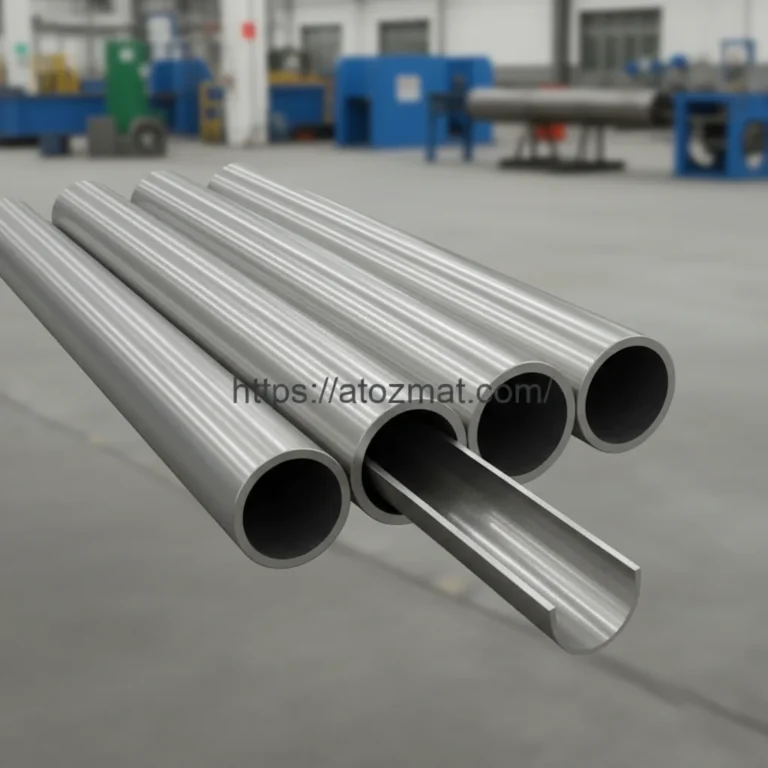
Zr702 Zirconium Tube in Corrosive Process Systems: Materials Performance, Fabrication, and Design Limits

Zr702 Zirconium Tube in Corrosive Process Systems: Materials Performance, Fabrication, and Design Limits

Abstract Zirconium 702 (Zr702) represents a premier material choice for aggressive chemical process applications due to its exceptional corrosion resistance in highly acidic and alkaline environments. This article comprehensively examines the performance characteristics, fabrication methodologies, and design limitations of Zr702 tubing in corrosive process systems. The analysis covers material properties, corrosion resistance mechanisms, welding and fabrication techniques, and operational constraints … Read more

Item added to cart.
0 items - $0.00